

DBT is a comprehensive therapy combining cognitive-behavioral techniques with mindfulness practices. Developed by Dr. Marsha Linehan in the late 1980s and originally created to treat borderline personality disorder, DBT has since been adapted to address a wide range of mental health issues characterized by emotional dysregulation and impulsive behaviors.
The skills taught in DBT fall into four modules: mindfulness (focusing on the present moment non-judgmentally), distress tolerance (coping with crisis situations without making them worse), emotion regulation (understanding and managing intense emotions), and interpersonal effectiveness (navigating relationships assertively and effectively).
How DBT works
The Four DBT Skill Modules
A practical toolkit for big emotions, taught and practiced in session and at home.
Mindfulness
Notice without reacting
Distress Tolerance
Survive crisis without making it worse
Emotion Regulation
Understand and shift emotion intensity
Interpersonal Effectiveness
Ask, say no, keep self-respect
The Dialectic at the Heart of DBT
Two things are true at once: you are doing the best you can, and you can do better.
Acceptance
Mindfulness and distress tolerance. Seeing the moment as it is, and getting through it without making it worse.
Change
Emotion regulation and interpersonal effectiveness. Building the skills to shift what you feel and how you ask for what you need.
What to expect
DBT typically consists of individual therapy sessions, group skills training, and phone coaching for crisis situations. The full DBT program usually lasts at least six months to a year, though elements of DBT can be incorporated into other treatment approaches for those unable to commit to a full program.
Ready to start?
Tell us a little about yourself and we will match you with a clinician trained in DBT.
Get matched →Therapists trained in DBT
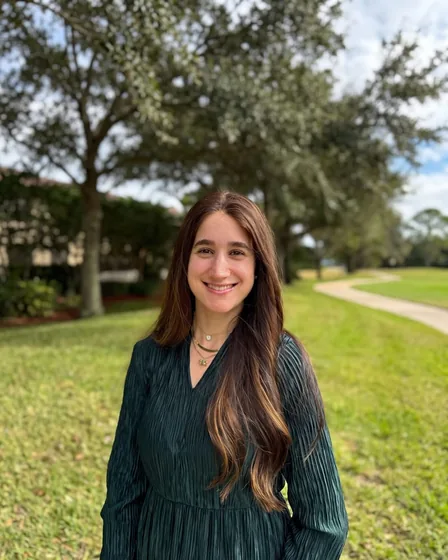
 Sarie KorfLicensed Master Social Worker
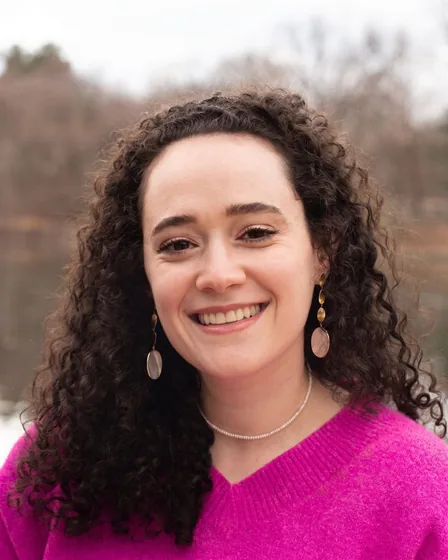
 Hannah KrausLicensed Master Social Worker
 Chanah FaygenLicensed Master Social Worker
 Rikal KahanovLicensed Master Social Worker
 Jacqueline MizrachiLicensed Master Social Worker
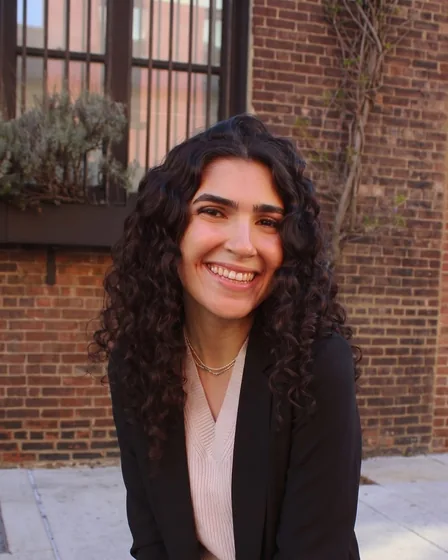 Jennifer AghavianLicensed Master Social Worker
 Alexa GoldfederLicensed Master Social Worker
 Sara BlumLicensed Master Social Worker