

Cognitive Behavioral Therapy (CBT) is a widely used and evidence-based form of psychotherapy that focuses on the interconnection between thoughts, feelings, and behaviors. Developed in the 1960s by Dr. Aaron Beck, CBT has since become one of the most researched and effective treatments for a wide range of mental health issues and behavioral problems.
At its core, CBT is based on the idea that our thoughts and interpretations of events significantly influence our emotional responses and behaviors. By identifying and modifying dysfunctional thought patterns and behaviors, individuals can achieve significant improvements in their mental health and overall well-being.
How CBT works
The CBT Triangle
Thoughts, feelings, and behaviors influence each other. Change one and the others shift.
Thoughts
‘I'm going to embarrass myself.’
Feelings
Anxiety, dread, racing heart.
Behaviors
Avoid the meeting, cancel plans.
CBT interrupts the loop at any corner, most often by testing the thought.
A CBT Thought Record
The core CBT exercise: catch the thought, weigh it against the evidence, and write a fairer one.
- 1
Situation
A meeting where I have to present.
- 2
Automatic thought
"Everyone will see I have no idea what I am doing."
- 3
Evidence
For: I stumbled once last year. Against: I prepared, and past talks went fine.
- 4
Balanced thought
"I might be nervous, and I know this material."
What to expect
CBT often involves homework assignments and skill-building exercises, empowering you to become an active participant in your own recovery. Courses of CBT are typically time-limited (around 12 to 20 sessions), and the skills learned can be applied long after therapy has ended, providing tools for managing future challenges and preventing relapse.
Ready to start?
Tell us a little about yourself and we will match you with a clinician trained in CBT.
Get matched →Therapists trained in CBT
 Jonathan NewmanLicensed Master Social Worker
 Cara GoldsmithLicensed Mental Health Counselor
 Sarie KorfLicensed Master Social Worker
 Gavriel VelenskiMental Health Counselor
 Shmuel KesselmanMental Health Counselor & Operations Coordinator
 Racheli SolomonLicensed Master Social Worker
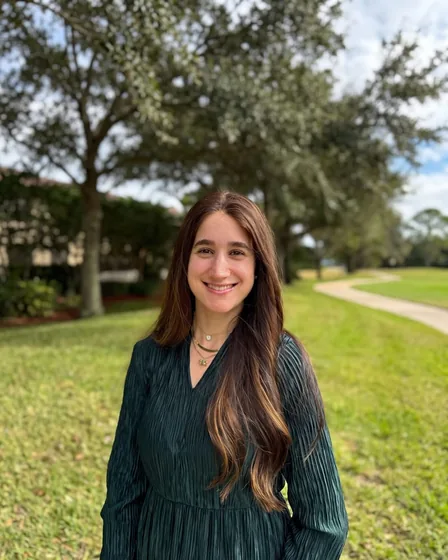 Hannah KrausLicensed Master Social Worker
 Rikal KahanovLicensed Master Social Worker
 Jacqueline MizrachiLicensed Master Social Worker
 Jennifer AghavianLicensed Master Social Worker
 Alexa GoldfederLicensed Master Social Worker
 Rikal MangelLicensed Master Social Worker
 Sara BlumLicensed Master Social Worker